
50/30/20 Budget Calculator
Enter your monthly take-home pay to see how much the 50/30/20 rule gives to needs, wants and savings. Add what you spend now to see where you stand, then print it as a monthly budget sheet.
- Free, no sign-up
- Euro, dollar or pound
- Three budget rules
- Printable budget sheet
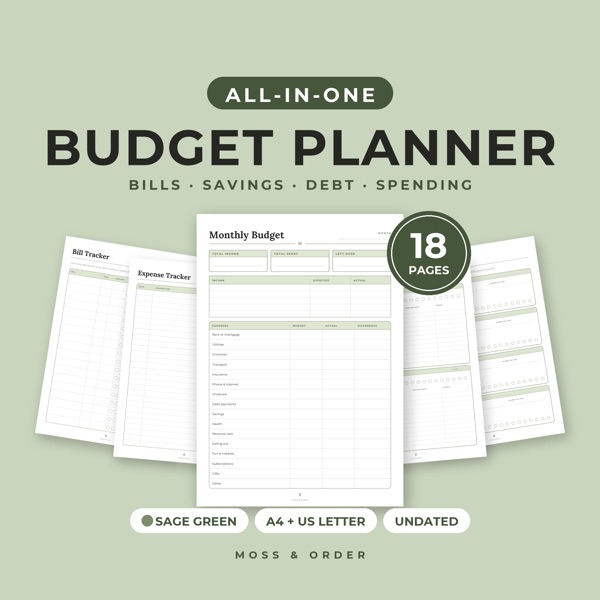
Keep your budget on track all year
Our Budget Planner printable has a monthly budget, bill tracker, savings tracker, debt payoff pages and an expense log, ready to print on A4 or US Letter.
See it on EtsyInstant download. If a file does not open or print right, message us on Etsy and we will fix it or send a new one.
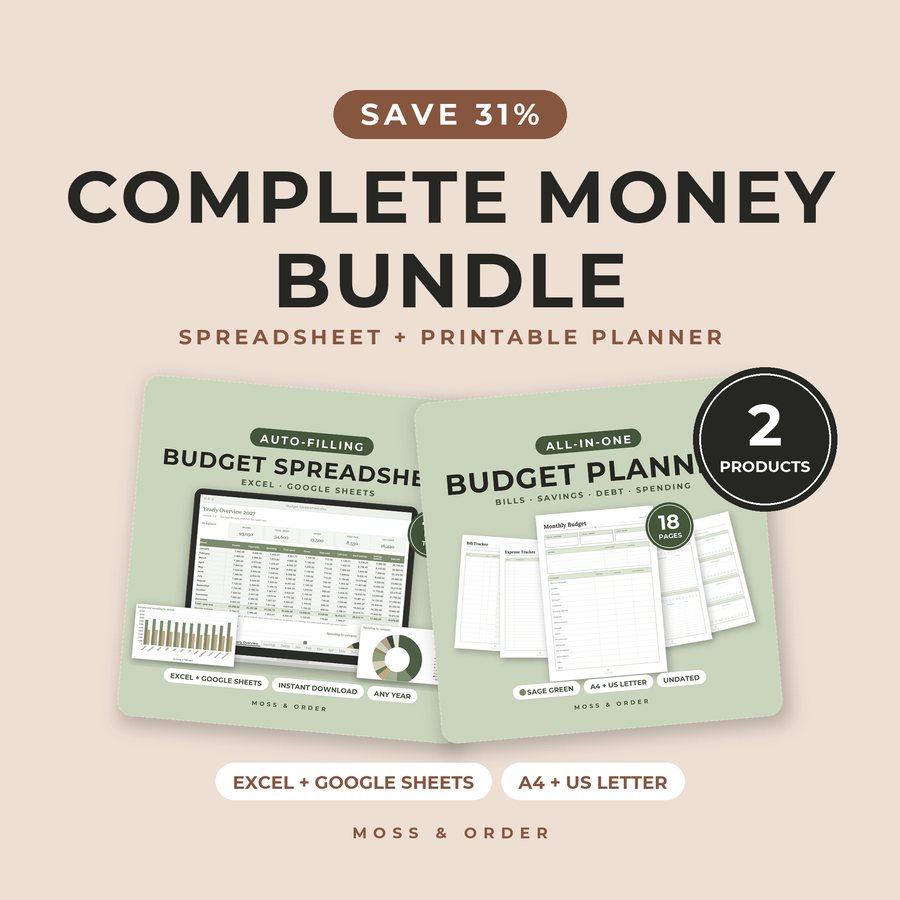
Your budget on screen and on paper
The auto filling spreadsheet does the maths for the whole year, and the printable planner keeps your bills and savings goals where you see them every day.
- Budget Spreadsheet for Excel and Google Sheets, 17 tabs with charts
- Printable Budget Planner, 18 pages
- Works in any currency and any year
You save 31% compared with buying each one separately.
See the Complete Money BundleInstant download. If a file does not open or print right, message us on Etsy and we will fix it or send a new one.
What is the 50/30/20 rule?
The 50/30/20 rule is a simple way to split your take-home pay without tracking every coffee. Half goes to things you need, almost a third to things you enjoy, and a fifth to your future self.
- 50% needs. Rent or mortgage, utilities, groceries, transport, insurance, childcare and minimum debt payments. The bills you have to pay.
- 30% wants. Eating out, takeaway, clothes beyond the basics, streaming, hobbies, holidays and gifts. Nice to have, but you could cut them.
- 20% savings and debt. An emergency fund, savings goals, retirement and anything extra you pay off debt.
50/30/20 budget examples
| Take-home pay a month | Needs 50% | Wants 30% | Savings 20% |
|---|---|---|---|
| 2,000 | 1,000 | 600 | 400 |
| 2,500 | 1,250 | 750 | 500 |
| 3,000 | 1,500 | 900 | 600 |
| 4,000 | 2,000 | 1,200 | 800 |
| 5,000 | 2,500 | 1,500 | 1,000 |
When 50/30/20 doesn't fit
If housing takes a big share of your income, needs can easily be more than half. That does not mean you are doing it wrong. Choose 60/20/20 or 70/20/10 in the calculator to get a target that fits your life now, and move toward 50/30/20 as your income grows or your fixed costs fall.
How to start a budget that sticks
- Use last month's numbers. Your bank app shows what you really spent. That is a better starting point than a guess.
- Pay yourself first. Move your savings on payday, before the money has time to disappear.
- Plan for irregular costs. Birthdays, car repairs and Christmas come every year. Put aside a little every month.
- Check in weekly. Ten minutes on a Sunday is enough to notice if wants are running ahead.
- Write it down. A printed budget on the fridge keeps the whole household on the same page.
Questions and answers
What is the 50/30/20 rule?
A simple budgeting guideline that splits your take-home pay into three parts: 50% for needs, 30% for wants and 20% for savings and extra debt payments.
Is the 50/30/20 rule based on gross or net income?
On take-home pay, which is what lands in your account after tax and other deductions.
What if my needs are more than 50%?
That is common where housing is expensive. Try a 60/20/20 or 70/20/10 split for now, and look for ways to bring fixed costs down over time.
Are debt payments a need or savings?
Minimum payments count as needs because you have to make them. Anything extra you pay to clear debt faster goes in savings and debt.
This calculator gives general guidance only and is not financial advice. Your numbers stay in your own browser.
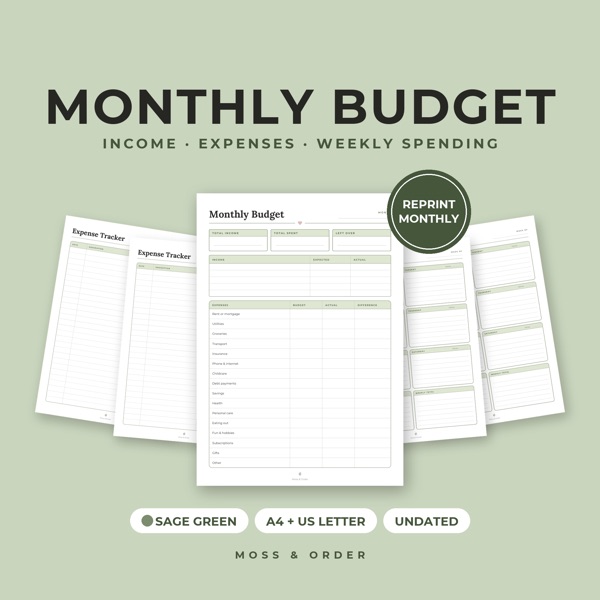
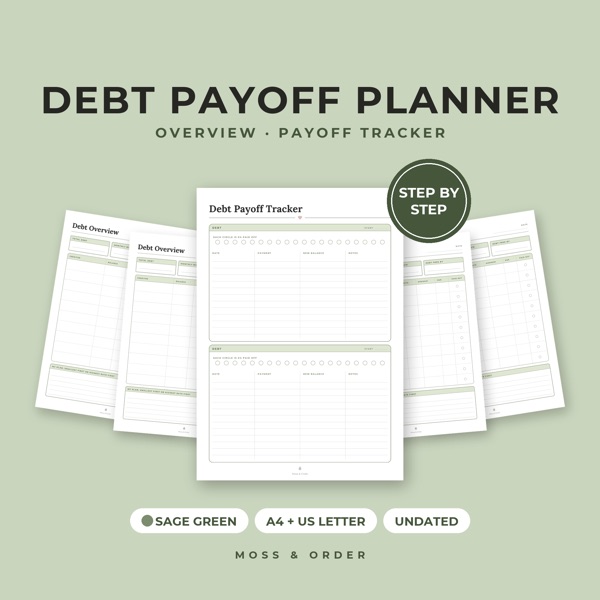
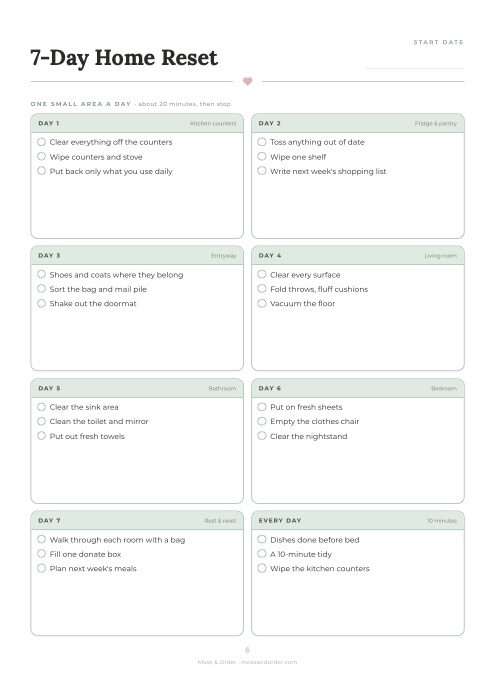
Get the 7-Day Home Reset
One small area a day for a week, about 20 minutes each, plus a weekly rhythm page to keep it going. Join our newsletter and we will email it to you straight away.
You will also get occasional emails with new free printables and tools. Unsubscribe anytime. See our privacy policy.